
Living With TN
My Biggest Trigger Is Sound: How Trigeminal Neuralgia Changed My Relationship With Family Gatherings
June 16, 2026
Introduction
When people ask about trigeminal neuralgia (TN) triggers, they often expect answers like brushing your teeth, chewing food, or a cold breeze touching your face.
Those are common triggers for many people living with TN.
But every patient's experience is different.
For my mother, who has lived with trigeminal neuralgia for more than 10 years, the biggest trigger isn't chewing or talking.
It's sound.
Loud conversations.
Busy family gatherings.
Crowded markets.
Wedding celebrations.
Even music.
Over the years, sound has changed not only how she experiences pain but also how she spends time with the people she loves.
This is her story.
Summarize this article with AI
Want the key points? Open this article in your preferred AI assistant for a summary.
Copy the prompt into your chosen assistant. It may not be able to read the full article. AI summaries are not medically reviewed and do not replace personal medical advice.
View summary prompt
Before Trigeminal Neuralgia, Family Time Was Different
Before trigeminal neuralgia entered our lives, family gatherings were simple.
We would sit together, talk for hours, laugh, celebrate birthdays, and enjoy festivals without thinking twice.
Noise wasn't something anyone noticed.
It was part of being a family.
Those ordinary moments felt effortless.
None of us imagined that one day something as natural as conversation could become difficult.
Discovering That Sound Was a Trigger
During the early years of trigeminal neuralgia, we focused on finding the right diagnosis and treatment.
Like many families, we assumed the pain would have obvious triggers.
But over time, my mother noticed a pattern.
Whenever she spent time in loud environments, her symptoms often became worse.
At first, it seemed like a coincidence.
Eventually, it became impossible to ignore.
Sound had become one of her biggest triggers.
Not every person with trigeminal neuralgia experiences sound sensitivity.
But this was her reality.
Learning to recognize this pattern helped her understand her condition better.
When Family Gatherings Become Difficult
Most people think of family gatherings as a source of comfort.
For someone with a sound trigger, they can also become a source of anxiety.
Imagine sitting in a room where several conversations are happening at once.
Children are laughing.
The television is on.
Music is playing.
People are talking over each other.
For many families, this is a joyful scene.
For my mother, it can become overwhelming.
One sentence she shared captures this experience perfectly:
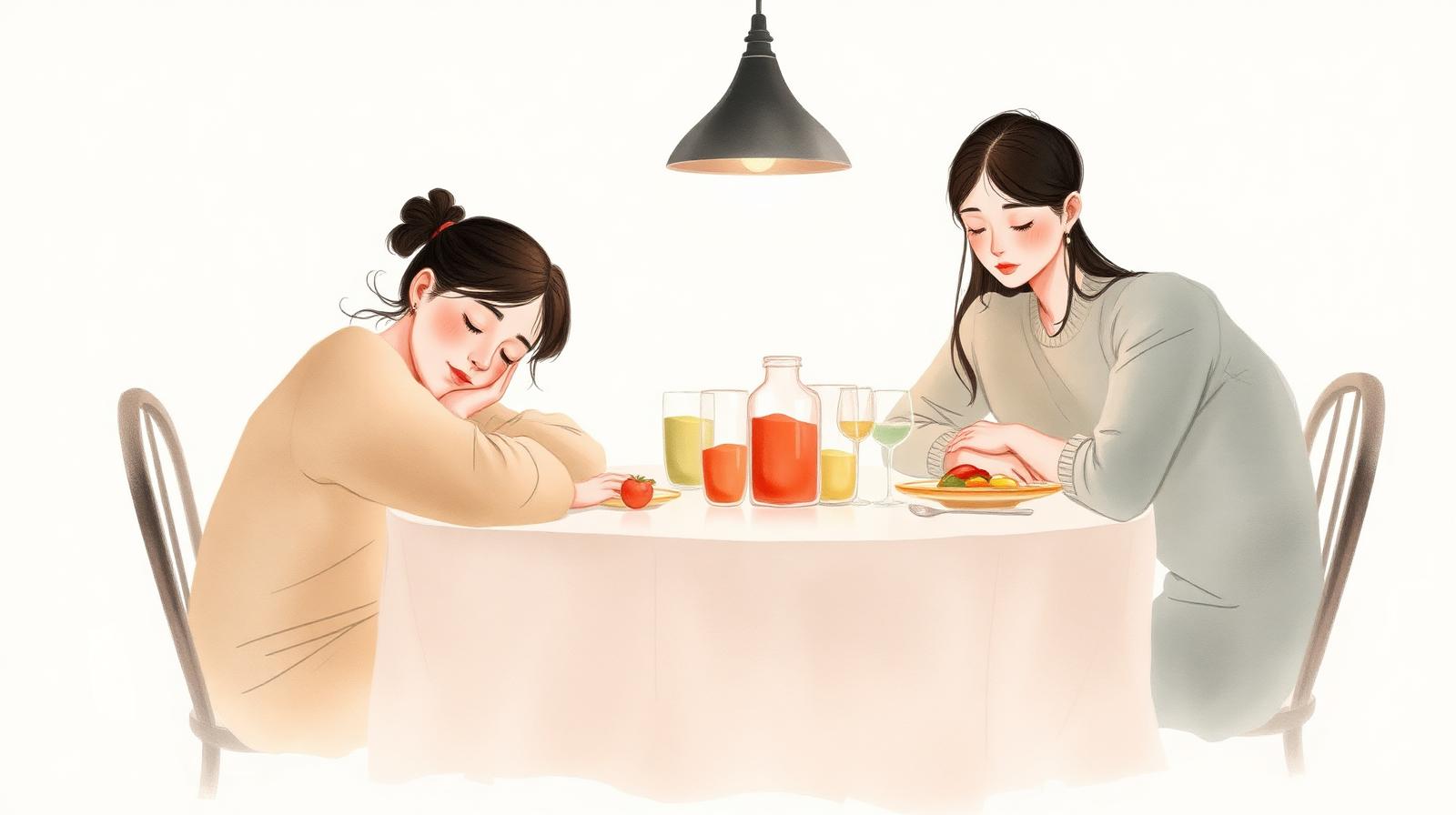
"We five can't sit together and enjoy because my main trigger is sound."
Those words stayed with me.
They remind me that trigeminal neuralgia doesn't just affect nerves.
It changes moments.
It changes traditions.
Sometimes, it changes the way a family spends time together.
The Emotional Side of Missing Out
One of the hardest parts of living with a chronic illness isn't always the physical pain.
Sometimes it's watching life continue around you while feeling unable to fully participate.
Over time, my mother stopped enjoying:
- Large family gatherings
- Shopping malls
- Busy restaurants
- Weddings
- Loud celebrations
- Music
Not because she didn't want to be there.
Because she was trying to avoid pain.
This is something many people don't see.
When someone leaves a gathering early or avoids social events, it is easy to assume they simply don't feel like coming.
The reality may be very different.
How Our Family Adapted
Chronic illness doesn't just change the patient.
It changes the family.
Without anyone asking, our family slowly adjusted.
We became more aware of noise levels.
Television volume was lowered.
Conversations became calmer.
Sometimes celebrations became quieter.
These may seem like small changes.
To someone living with trigeminal neuralgia, they can make a meaningful difference.
Support isn't always about grand gestures.
Sometimes it's as simple as creating a quieter space.
The Invisible Grief of Chronic Illness
There is another side to trigeminal neuralgia that people rarely discuss.
Grief.
Not grief for someone who has died.
Grief for the life you once had.
My mother often talks about how independent she used to be.
She enjoyed shopping.
She enjoyed spending time with family.
She enjoyed everyday activities without thinking about triggers.
Today, every outing requires planning.
Every noisy environment requires consideration.
It isn't just about avoiding pain.
It's about adapting to a life she never expected.
Mom's Perspective
When people ask me about my biggest trigger, they are often surprised when I say "sound."
For me, loud environments make it difficult to enjoy many of the things I once loved.
Before trigeminal neuralgia, I enjoyed family gatherings, shopping, celebrations, and music.
Today, those experiences are different.
My family understands this.
They have changed many small things to make me more comfortable, and I am grateful for that.
Sometimes I miss the days when we could all sit together without thinking about my condition.
But I have also learned something important.
Love isn't measured by how loud a celebration is.
It's measured by the people who quietly adjust their lives to help you feel included.
I want other patients to know that it's okay to protect your health.
And I want families to know that even small acts of understanding can make someone with trigeminal neuralgia feel deeply supported.
If Your Loved One Has a Sound Trigger
If someone in your family experiences sound sensitivity because of trigeminal neuralgia, here are a few ways you can help:
Keep Noise Levels Comfortable
Reducing background noise can make shared spaces more comfortable.
Don't Take It Personally
If they leave early or avoid certain events, it may be because they are trying to manage symptoms—not because they don't enjoy your company.
Ask What They Need
Every patient's triggers are different.
The best support starts with listening.
Include Them Anyway
Even if they cannot stay long or participate fully, continue inviting them.
Feeling included matters.
A Message to Families
Trigeminal neuralgia doesn't only affect the person diagnosed.
It changes family routines, celebrations, and everyday moments.
But it can also bring families closer.
Understanding, patience, and compassion often become just as important as medical treatment.
Sometimes the greatest gift you can give someone with TN is not advice.
It's a quieter room.
A little patience.
And the reassurance that they are never a burden.
Conclusion
Sound is not a common trigeminal neuralgia trigger for everyone.
But for my mother, it has shaped more than a decade of daily life.
It has changed how she experiences family gatherings, celebrations, shopping, and social events.
Her story is a reminder that every trigeminal neuralgia journey is unique.
The most important thing we can do is listen, believe, and adapt with compassion.
Sometimes, the smallest changes create the biggest difference.
Frequently Asked Questions
Can sound trigger trigeminal neuralgia pain?
Some people with trigeminal neuralgia report that loud or overwhelming environments worsen their symptoms, although triggers vary from person to person.
Are trigeminal neuralgia triggers the same for everyone?
No. Some patients are triggered by chewing, brushing their teeth, cold wind, stress, or touching the face, while others identify less common triggers such as heat or sound.
Why do some people with trigeminal neuralgia avoid family gatherings?
Busy social environments may increase pain, fatigue, or exposure to personal triggers, making gatherings difficult to enjoy.
How can families support someone whose TN is triggered by sound?
Creating quieter spaces, respecting the person's limits, avoiding judgment, and asking what they need can make a meaningful difference.
Can trigeminal neuralgia affect relationships?
Yes. Chronic pain can influence social activities, family routines, and emotional well-being, but understanding and communication can help families adapt together.
Keep reading
More from Trigeminal Mom on similar topics.
Caregivers
Why Family Support Matters When Living With Trigeminal Neuralgia
Discover why family support can make a huge difference for people living with trigeminal neuralgia. A real patient's story about caregiving, chronic pain, and resilience.
Patient Stories
Advice From Someone Who Has Lived With Trigeminal Neuralgia for More Than 10 Years
After more than a decade living with trigeminal neuralgia, here is the honest advice my mother would give every newly diagnosed patient — on triggers, treatment, surgery, and support.
Living With TN
Why Everyday Activities Become Difficult With Trigeminal Neuralgia
Eating, talking, sleeping, even a windy day, can be hard with trigeminal neuralgia. A look at the hidden, everyday side of life with TN.
Living With TN
Things People Say That Trigeminal Neuralgia Patients Hate Hearing
From "but you look fine" to "have you tried ignoring it?" — the comments TN patients wish people would stop saying, and what to say instead.
Living With TN
Simple Daily Activities That Became Difficult Because of Trigeminal Neuralgia
Eating, laughing, going outside, sleeping — simple daily activities that become difficult when living with trigeminal neuralgia.